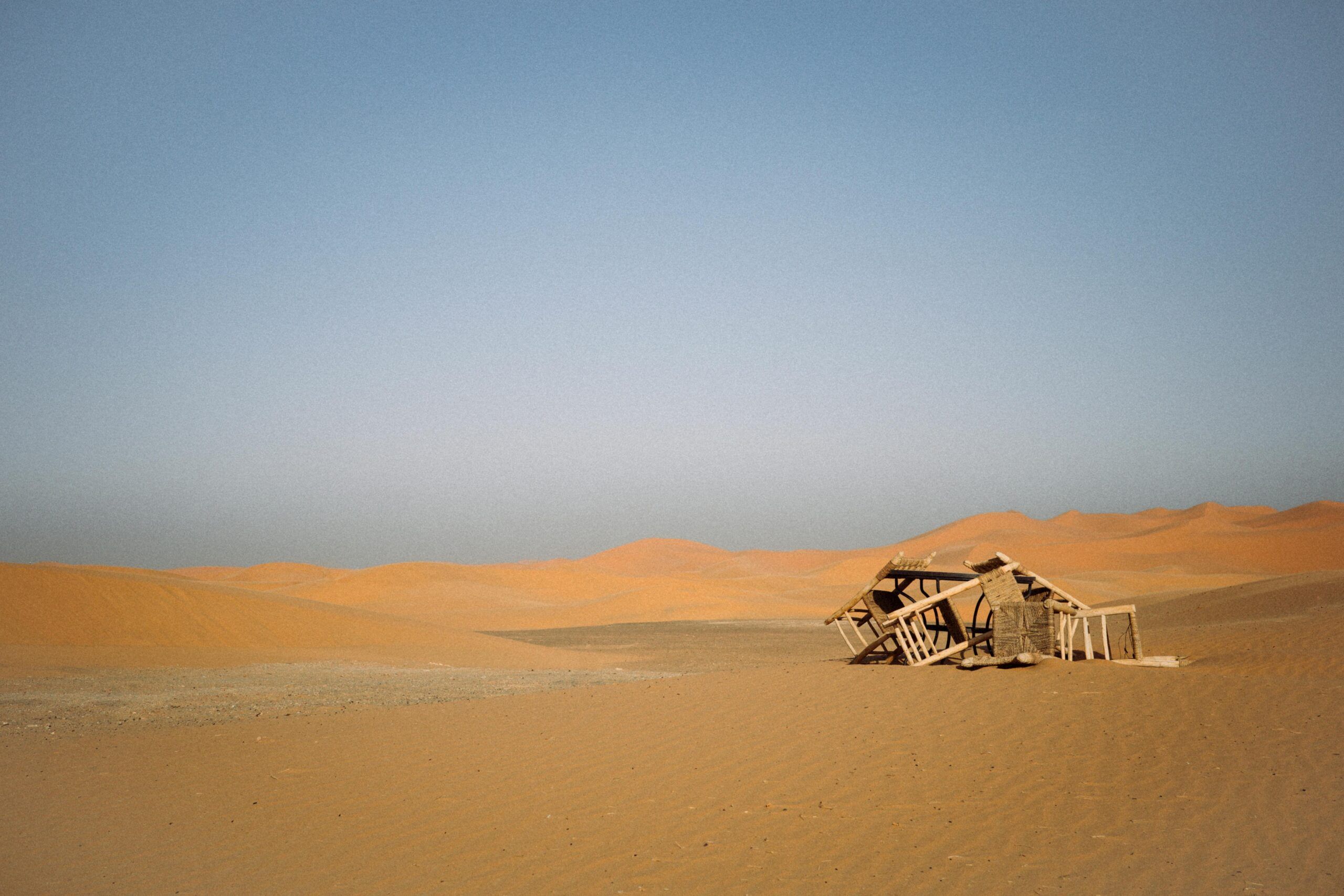
The book of Ecclesiastes invites us to reflect on life and to understand its deeper meaning. For the author, everything is pure illusion, like trying to catch the wind; vanity of vanities. This is not pessimism, but realism. It is direct observation and contemplation of what happens in life. It is a wisdom that reaches its limit to connect with the depths of being and to recognize that everything, even the smallest details, depends on God.
Psalm 89 (90), in turn, responds to this first reading as a reflection of the prayer of the people of Israel—an expression of human experience turned toward God. What is man before God and God before man? A fragile being like cut grass, fleeting like the night; no matter how long life may be or how hard one strives for it, it is exhausting and vain. This is why the psalmist asks God for wisdom, for compassion, to balance sorrows and joys with His love, in which humankind finds refuge, rejoices, and is filled with gladness.
Saint Paul affirms and develops the centrality of Jesus Christ, presenting Him as Lord of all creation, who embraces every human being of all races and nations. His message promotes salvation through Christ, who frees us from the fears and anxieties of life. Therefore, the exhortation is to seek the things above, where Christ is, and to turn away from what is earthly and leads us away from Him—living a moral life that shows that his audience has cast off the old self and its ways, and has clothed themselves in the new self, which is being renewed in the image of its Creator through knowledge.
Luke, writing for a community of Christians mostly from pagan backgrounds and geographically distant from Palestine—brothers and sisters called to be witnesses of God’s liberating plan in the world, a plan grounded in God’s power at work in the Church as His new people through the Spirit of Jesus—reinforces the idea of living according to that Spirit, not just by earthly standards.
Through the words of Jesus, Luke tells the story of a man who asks the Master to tell his brother to divide the inheritance with him. Jesus responds with a parable to show that the essential thing is to store up treasures in heaven, not on earth; that it is more important to be rich in the eyes of God. He does not say that He is against wealth or human well-being, but that the human heart should not cling to material things; that greed and ambition should not block our path to the eternal Kingdom. For in the rush to accumulate, man loses sight of the true treasure, wearing himself out in vain through greed, forgetting that he will take nothing from this world except his good deeds.
If we briefly look at today’s readings, we can see a common thread—from the fatigue and vanity spoken of by Qoheleth in Ecclesiastes, to Psalm 89 which reinforces the fleeting and fragile nature of human life; from the letter to the Colossians that calls us to a life led by the Spirit rather than the earthly, to the teachings of Jesus in today’s Gospel that make us aware that life is in God’s hands—today we live, but tomorrow we don’t know. Therefore, we must not waste our lives and strength, or risk our human relationships for material things we possess or desire, when perhaps tonight itself we may be asked to give an account of our life and we will not have lived to enjoy them.
We need not look far—just turn on the news and we see what people are capable of because of greed, ambition, hunger for power, attachment to material goods, appearances, and superficiality. How much evil could be avoided if we educated the heart, and how much good we could do if we learned to share—even those who do not know God, simply by sharing goods, practicing justice, and giving according to need, already open a door to the presence of God’s Kingdom among us.
Let us therefore live each moment of our lives intensely, valuing those at our side, content with what we have—not in a conformist way, but in a spirit of detachment, sharing, and fraternity that leads us to live justice, love, respect, peace, and commitment to others—making present the Kingdom of God, which is not food or drink, but grace in the Holy Spirit.
Let us walk toward the perfect man, Christ, having His same sentiments so as to begin an interior transformation in each of us, in our communities, and those closest to us, and from there extend this transformation to our work, our ministries, our society, and the whole world. A utopia? Perhaps. But if change begins in you and in me, it is already a small step toward a new life. Let us be a living Gospel that people can read and discover the God of Jesus—the God of love.
Sr. Marisol Barrios
Dominican Sister of the Anunciata
Community of Luque, Paraguay