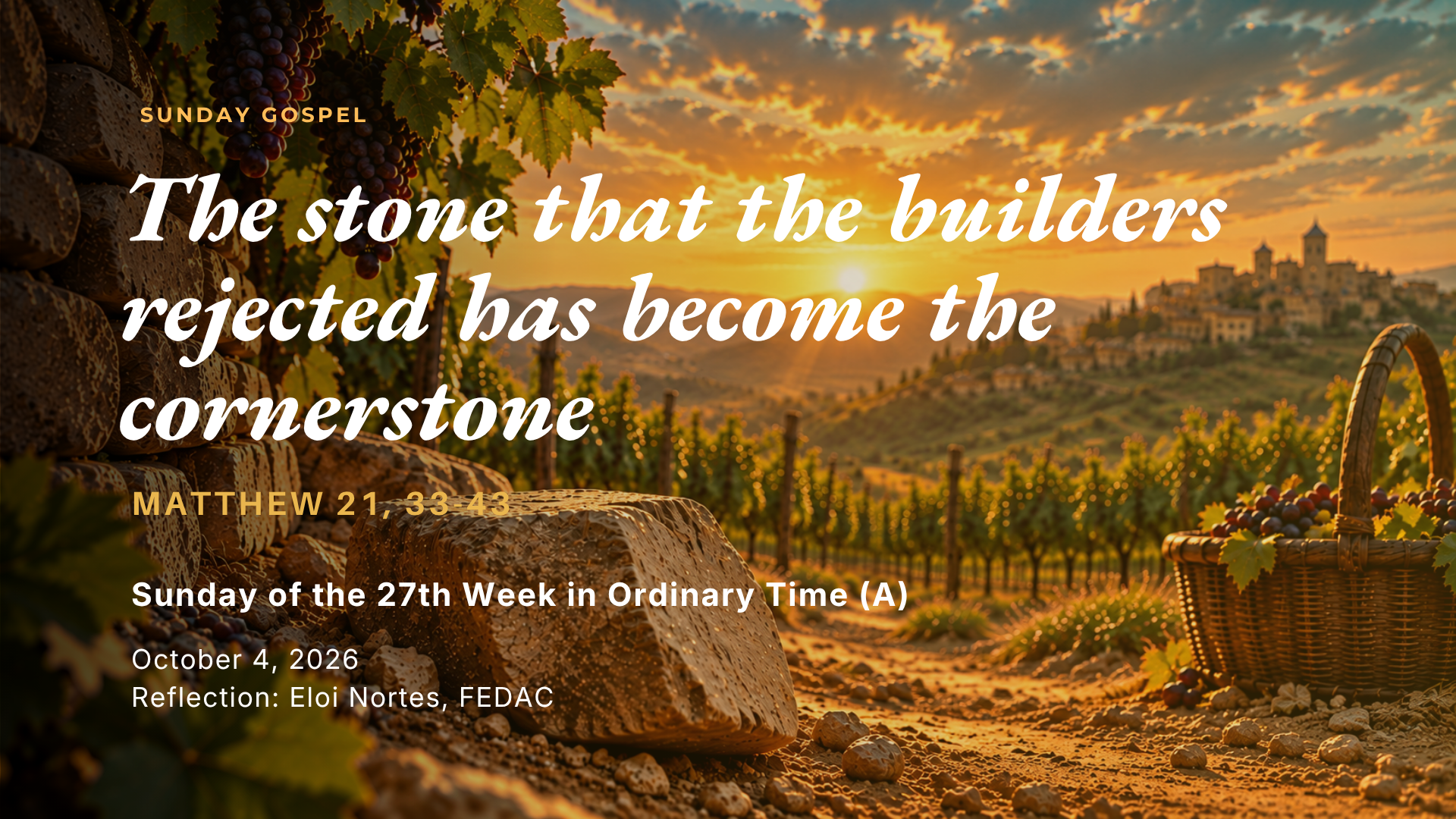
Gospel: Matthew 21:33–43
The Parable of the Wicked Tenants
The parable of the wicked tenants is one of the Gospel’s most forceful denunciations of the abuse of power, the corruption of the elites, and the improper appropriation of God’s authentic message to humanity: the revolutionary power of love.
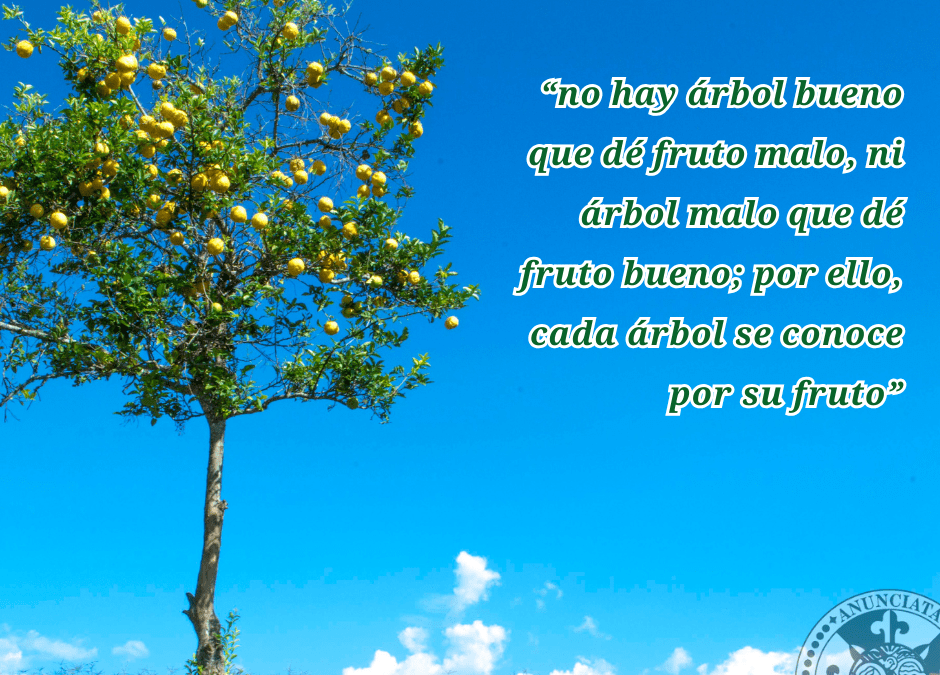
In the biblical text, the vineyard represents the people and all of creation, entrusted to rulers and religious leaders —priests and elders— who were meant to care for it. However, these tenants are driven by greed: they consider themselves absolute owners, silence or kill the messengers —the prophets— and, finally, eliminate the Son —Jesus— in order to take possession of the vineyard through violence.
If we bring this parable into the reality of the twenty-first century, the wicked tenants are those sectors of political, financial, and media power that manage the world as if it were their private property, exploiting it for their own benefit and acting with impunity.
To cite a few examples, the Epstein case and the networks of abuse represent, in a deeply disturbing way, the moral corruption of hyper-privileged and ultra-neoliberal elites. They are the exact reflection of the tenants who believe themselves to be above human and divine law, treating the most vulnerable as mere commodities.
Or consider geopolitical wars, such as those between Russia and Ukraine or Israel and Palestine, among so many others. Political and military leaders who, determined to preserve or expand their dominance, sacrifice thousands of human lives, destroy communities, and lay waste to lands that do not belong to them. Like the tenants in the parable, they impose the logic of “Let us kill him and take his inheritance,” destroying the supreme value of life in exchange for territory, influence, economic gain, and a false sense of power.
Nevertheless, the key and the hope of this Gospel lie in the conclusion expressed by Jesus: “The kingdom of God will be taken away from you and given to a people that will produce its fruits,” and in the “stone that was rejected and has become the cornerstone.”
The silenced, the humble, ordinary people; the families who suffer the consequences of wars; the victims who denounce abuse; the communities that care for their neighbors in everyday life… Each and every one of them represents that stone which the great builders of power so often despise.
This Gospel reminds us that the salvation of the human spirit and of God’s project does not come from corrupt structures of power, but from faith embodied in ordinary people. It is ordinary people who preserve empathy, solidarity, the sincere desire for peace, and the conviction that the earth and life are gifts to be shared, not spoils to be plundered.
Ultimately, when the elites act out of greed and arrogance, the Gospel shows us that another way of living is possible. The everyday faith and trust of ordinary people, capable of forgiving, welcoming others, and building fraternity in the midst of chaos, is precisely what produces the fruits that save the “vineyard.” And thanks to these anonymous people, these vineyards will produce wines that celebrate life, heal the memory of the world, and fill the heart of humanity with hope, trust, and love.
Eloi Nortes, FEDAC