We have now reached the twenty-sixth Sunday in Ordinary Time, Year A. Ordinary Time is anything but ordinary for those who truly listen to the Word. Every Sunday is a new invitation, a new call to conversion. On this day, the Church, our mother, places a particular demand before us. She speaks to us of conversion, humility and truth. The theme running through these readings is simple, and yet demanding: God does not judge our words but our actions. He does not look at our fixed past, but at our living present.
In the first reading, the prophet Ezekiel begins with a provocative statement. Indeed, the people accuse God. They say: “The way of the Lord is not right.” And yet God does not become angry. He responds with patience. He turns the question around: “Is it not rather your way?” Indeed, this passage from Ezekiel comes from the time of the exile. The people then held to a bitter proverb: the fathers have sinned, and the children pay the price. Ezekiel breaks this fatalism and proclaims this truth: each person is responsible for his or her own conduct. Yes, each one, today, before God. “If the wicked turns away from his wickedness… he shall save his life.” Here is the “gospel” before the Gospel. No fall is final. No past holds us captive. What matters is the movement of the heart, now.
In the second reading, Saint Paul, in his Letter to the Philippians, leads us even further. He shows us the absolute model of this conversion: Christ himself. “Though he was in the condition of God, he did not regard equality with God as something to be grasped. Rather, he emptied himself, taking the condition of a servant.” The Son of God empties himself of his glory. He descends, humbles himself, becomes a servant, and goes as far as death, death on a cross. This very ancient hymn, sung by the first Christians, traces a twofold movement: first the descent, then the exaltation. “Therefore God highly exalted him.” Christ claims nothing. He receives everything. Here is the paradox of faith: the one who humbles himself is the one whom God exalts.
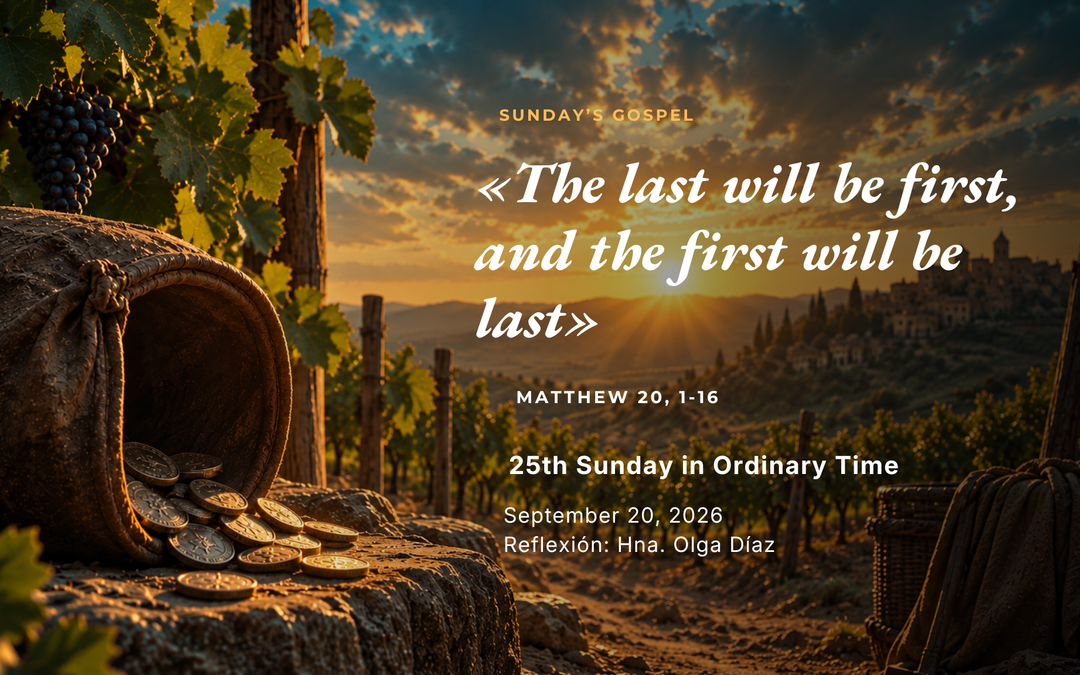
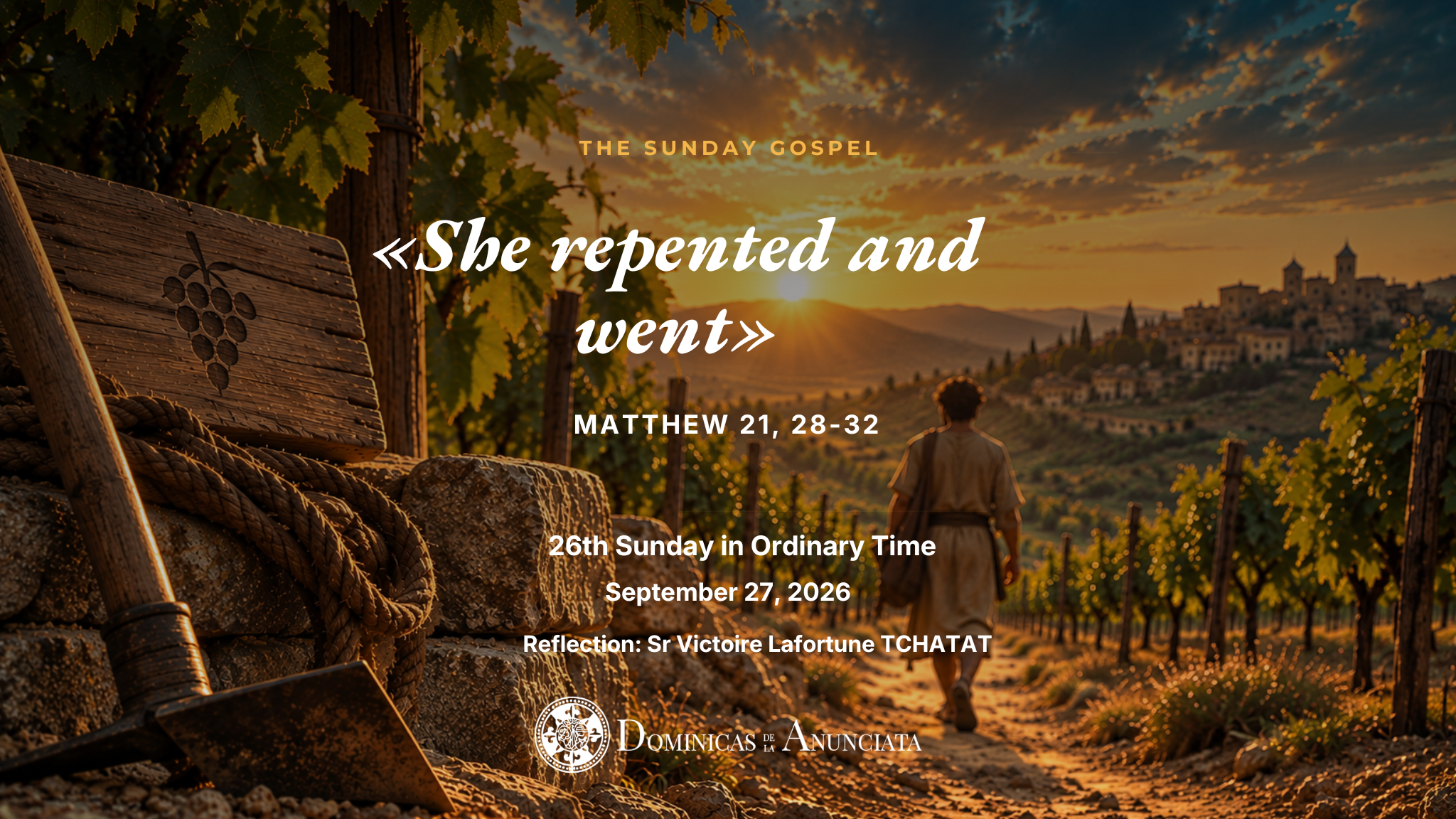
The Gospel, finally, places before us an almost childlike image: two sons, a vineyard, a father. The first says no, then obeys. The second says yes, then does not obey. The parable was addressed to the chief priests. It was addressed to the elders of the people. Those very people who considered themselves righteous. And Jesus speaks this terrible word to them: “Tax collectors and prostitutes are going into the kingdom of God ahead of you.” The Lord does not prefer repentant sinners to the righteous. He prefers converted hearts. A “yes” without actions is worth nothing. A “no” followed by conversion is worth everything.
Thus, today’s meditation first invites us to examine our own “yeses.” How many times do we say “yes” to God without ever going to the vineyard? How many promises remain fruitless? We need truth in our actions and in our words, here and now before the Lord. Then, we must believe in the possibility of change for ourselves and also for others. Let us not confine anyone to his or her past. Let us not confine our own hearts to their old faults. Let us clothe ourselves with the dispositions of Christ and choose humility rather than self-assertion, service rather than places of honour, and then let us guard against every form of contempt. God exalts the humble of heart. May we never judge who is near to or far from the Kingdom. Let us remain vigilant in the face of our own self-sufficiency.
Brothers and sisters, the vineyard awaits us. The Father calls us. May our response not be only a word. May it be a step, a gesture, a life turned towards Him.
May the Lord grant us this grace. Amen.
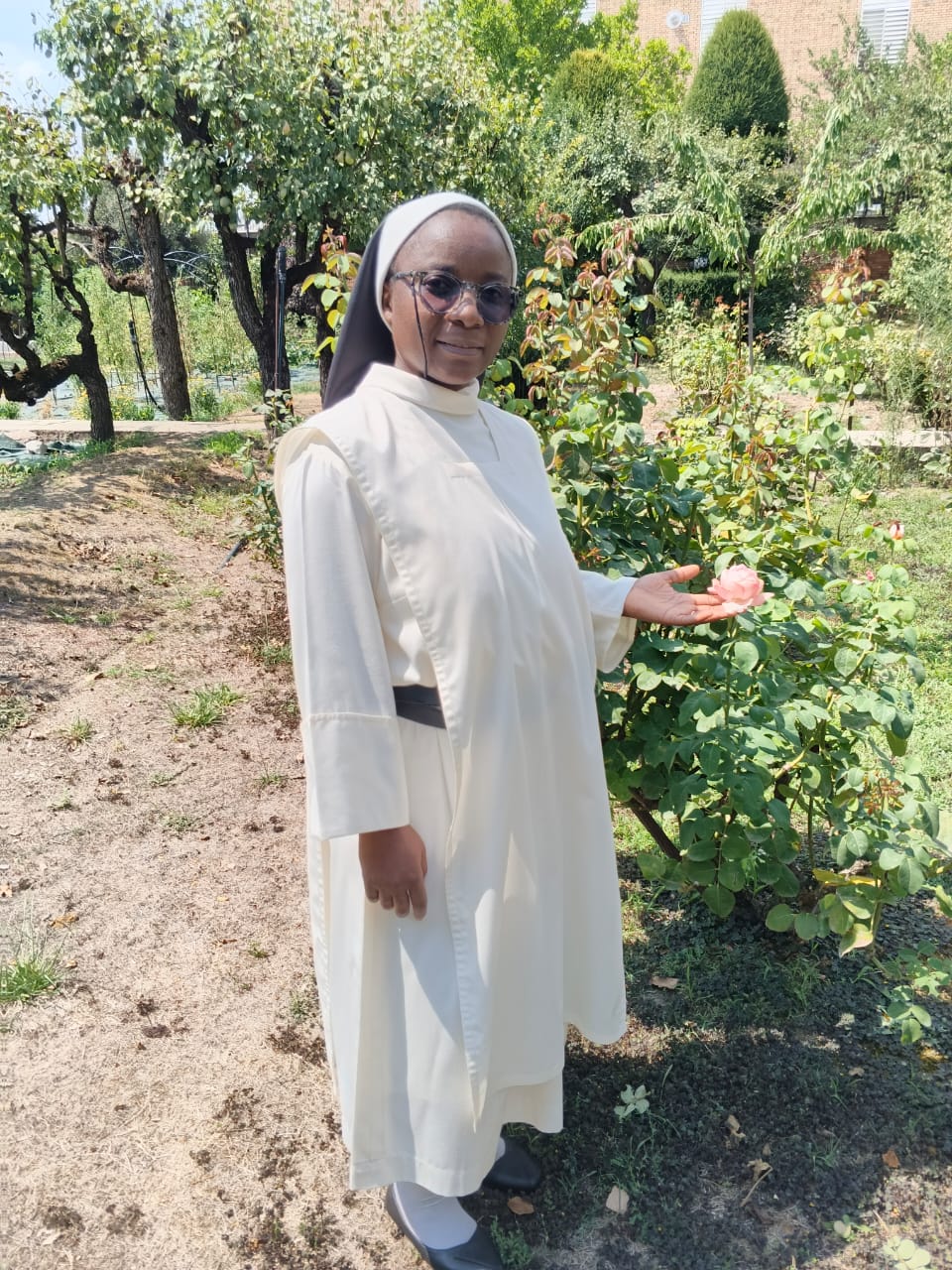
Sr Victoire Lafortune TCHATAT T.
Vicariat Saint François Coll