Being Ready While We Wait
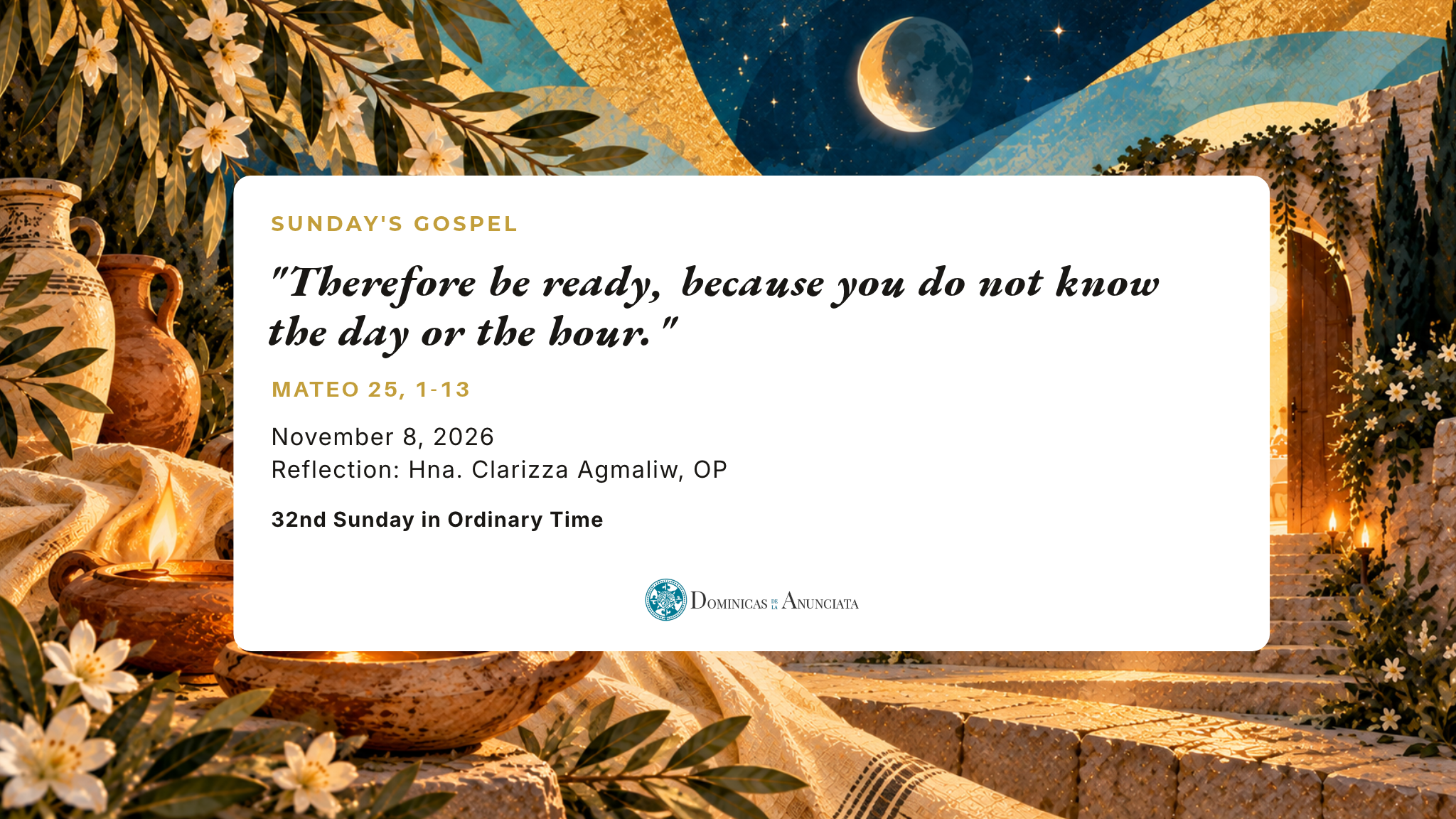
In the Gospel of the ten virgins, all ten were waiting for the bridegroom, but only five brought extra oil for their lamps. At first, they seemed to be doing the same thing. They were all invited to meet the bridegroom, they all had lamps, and they all waited for his arrival. However, when the bridegroom took longer than expected, the difference in their preparation became clear.
This reminds us that in our Christian life, it is not enough to begin well. It is also important to learn how to persevere, especially when things do not happen according to our expectations. Sometimes, we are enthusiastic when we begin something new. We have good intentions, clear plans, and the desire to give our best. But as time passes, our enthusiasm may lessen, our responsibilities may become tiring, and the things we once did with joy may become part of our routine. This is where faithfulness is tested, not only in the beginning, but also in the ordinary days when there is nothing special to encourage us.
One detail in the Gospel that I find interesting is that all ten virgins became sleepy and fell asleep. Even those who were prepared experienced the delay. Perhaps vigilance does not mean that we must always feel strong, attentive, or ready in every moment. Rather, it means preparing ourselves even before we know when we will need that preparation. In our relationship with God, this preparation happens through the small and ordinary things we do each day: our prayer, our responsibilities, our relationships with others, and the choices we make even when nobody is watching. These may seem like simple things, but over time, they help form our hearts and keep our faith alive.
The first reading from the Book of Wisdom reminds us that wisdom is found by those who seek her. Seeking requires patience and an openness to learn. We do not always understand everything immediately, and we may not always know the best way forward. But we can continue to seek God’s wisdom in the situations we encounter and allow it to guide our decisions. Being ready for the Lord does not mean having all the answers. It means remaining willing to listen, to learn, and to be guided by Him.
The second reading, from the First Letter of Saint Paul to the Thessalonians, reminds us of the hope we have in the resurrection of Jesus. Our waiting as Christians is not simply a matter of being afraid of the unknown or worrying about when the Lord will come. We wait with hope because we believe in the One who has conquered death. This hope gives meaning to our daily faithfulness, even when we experience difficulties or when we cannot see the results of our efforts.
Perhaps the challenge of the Gospel is to ask ourselves what we are doing with the time given to us. It is easy to postpone things that we consider important, thinking that there will always be another opportunity. We can postpone reconciliation, acts of kindness, a more faithful prayer life, or even the changes we know we need to make. Yet, readiness for the Lord is not something we can prepare at the last minute. It is formed little by little, through the way we choose to live each day.
As we continue our journey of faith, may we learn to be faithful not only when it is easy or when we feel inspired, but also when the days are ordinary and the waiting seems long. We may not know when the Lord will come, but we can choose how to live while we wait. May we keep our lamps burning through a faith that is nourished by prayer, strengthened by hope, and expressed in love, so that whenever the Bridegroom comes, He may find us ready to welcome Him.
Sr. Clarizza Agmaliw, OP