On June 13, we gratefully commemorated the arrival of the first Dominican Sisters of the Anunciata to the community of Telemán, an event that marked the beginning of a history of faith, dedication, and service that continues to bear fruit to this day.
After spending six months at the parish house in the municipality of Senahú, Sisters Nieves Olmos, Inés Berengueres, and Isabel Díaz moved to Telemán because of its more central location, enabling them to carry out their evangelizing mission and serve the communities of Panzós, La Tinta, and Telemán.
From the very beginning, the sisters’ mission was broad in scope and closely attuned to the needs of the local people. They devoted themselves to catechesis, evangelization, caring for the sick through the establishment of dispensaries, and the formation of Indigenous women in the region. Father Coll’s missionary dream became a reality in this land: reaching the places most in need by proclaiming the Gospel through life and service.
At that time, the situation in the village and the surrounding communities was extremely challenging. Approximately 98% of the population was illiterate. Faced with this urgent need, the sisters responded with courage and commitment, promoting education as a path to transformation. Thus, San Martín de Porres School was founded. There were no educational centers in the area, and it was the sisters who began educating children and young people, opening new paths of hope for countless families.
Despite poverty and many hardships, they began building the first classrooms of the school. Today, fifty years later, that small seed has grown into a flourishing tree full of life: more than 850 students are now part of this educational community, and many generations have passed through its classrooms. The light kindled by those first sisters continues to shine brightly, illuminating the lives of children, young people, and families throughout the community.
As part of this jubilee celebration, a variety of activities were organized to commemorate the sisters’ fifty years of presence, including sports competitions, artistic performances, athletics events, and a commemorative parade, all expressing the joy and gratitude of the entire community.
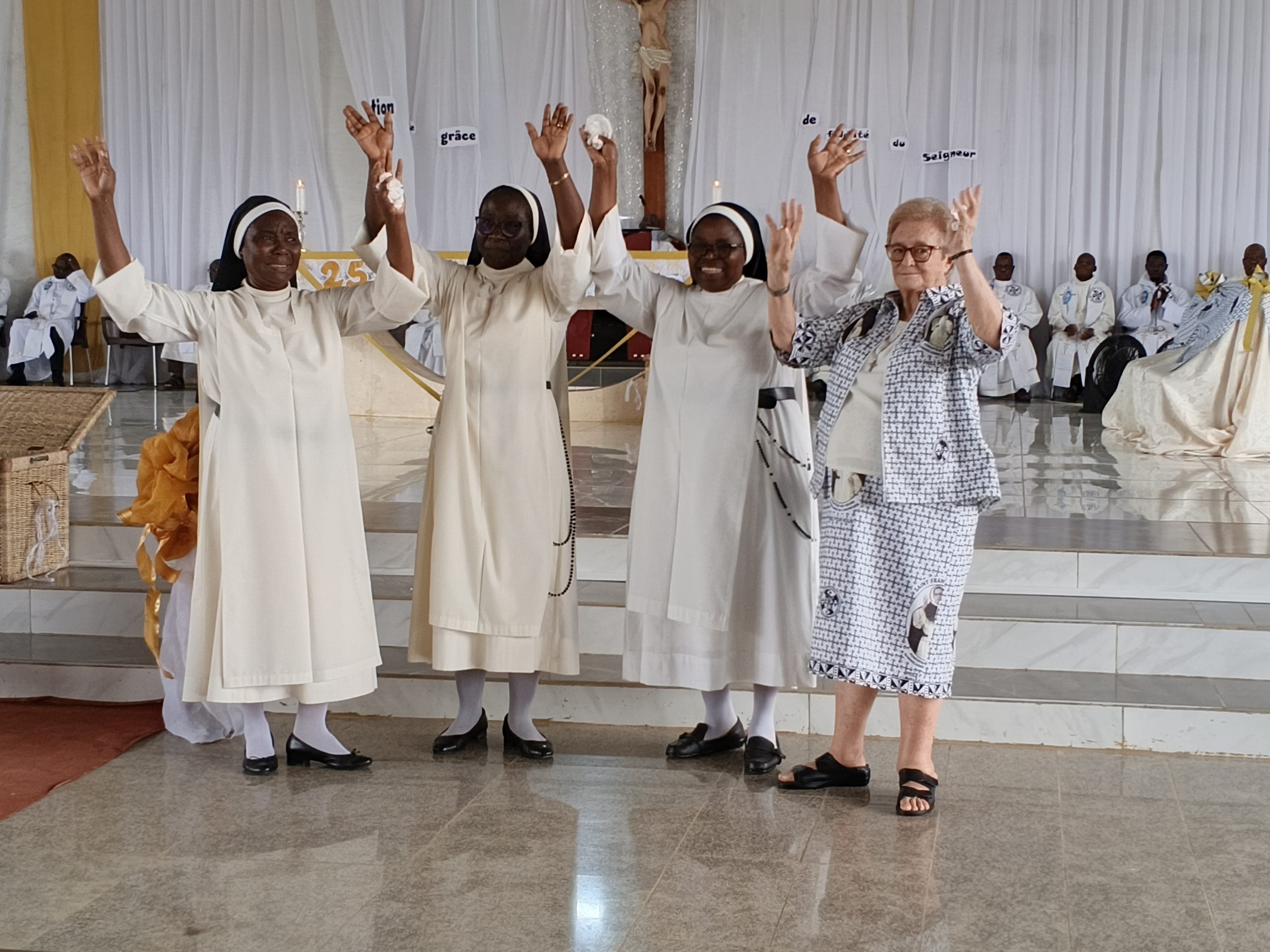
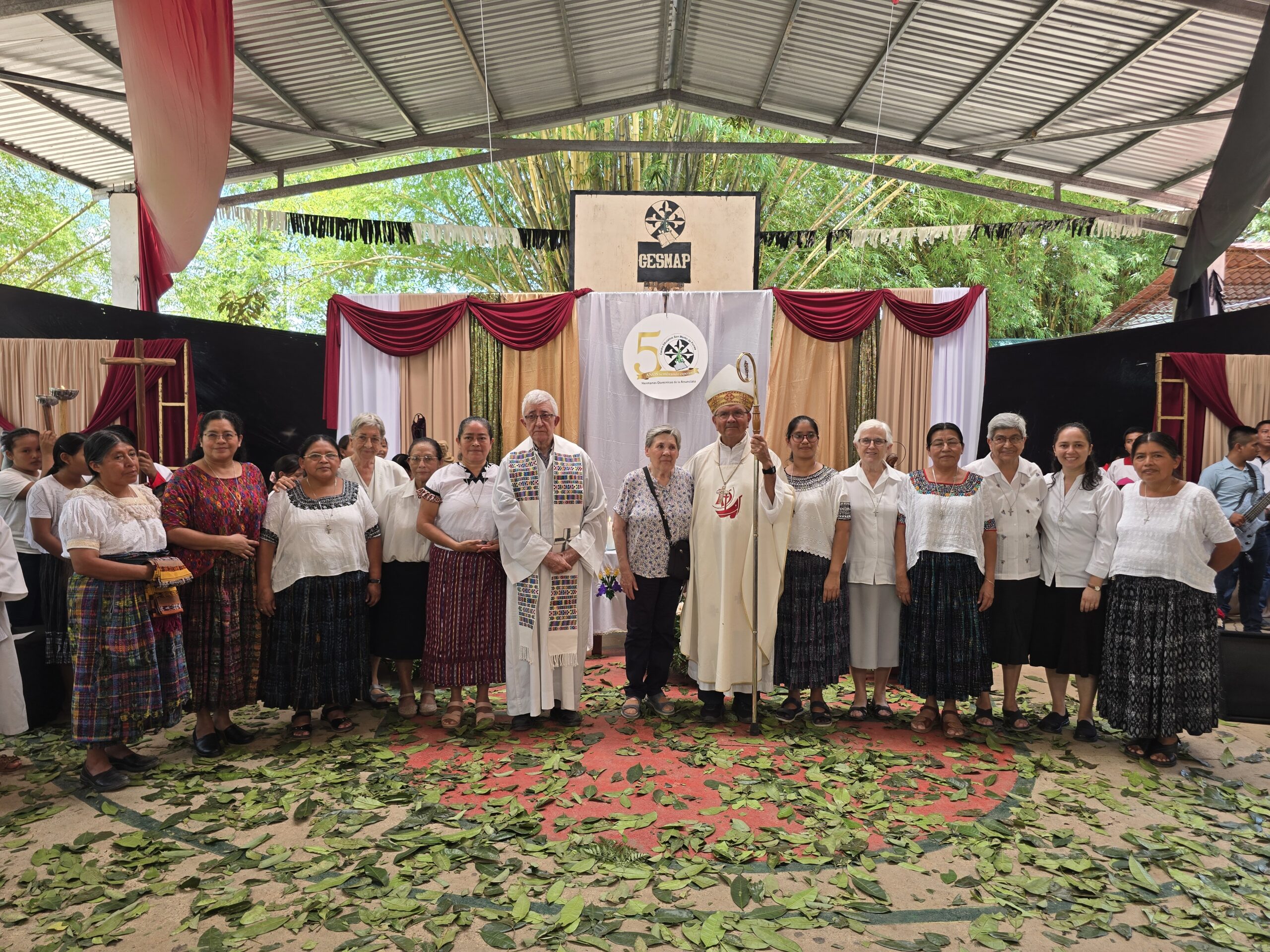
The celebration reached its high point with the Mayejak prayer, a profound and special prayer rooted in the Q’eqchi’ culture, offered in thanksgiving to God for fifty years of presence in this community. The celebrations concluded with the Eucharistic Celebration on Saturday, June 13, presided over by Bishop Rodolfo Valenzuela of the Verapaces, together with Fr. Jesús Tapuerca, OP, who accompanied and worked alongside the sisters during the early years of the foundation. In his homily, Bishop Rodolfo expressed his gratitude for the witness and courage of the many sisters who, over the past half century, have dedicated their lives to evangelization, education, and the integral development of this community.
We were also blessed by the presence of sisters who joined us from communities in Guatemala and El Salvador. From Spain, Sister Teresa Maluquer Bresco, who participated in the early years of the foundation and the construction of the school, was also present. It was a grace-filled moment for the community to learn about the origins of the foundation through the testimony of the sisters who lived those first years.
Today, the mission continues. The Educational Center remains a place where education becomes evangelization, transmitting the faith, the values of the Kingdom of God, and forming men and women committed to society. Likewise, the formation of women and young people from the parishes of Panzós and Telemán continues, keeping alive the charism inherited from Father Coll.
In this Vocational Year, under the motto, “Following a History of Light, Be a Torch,” we give thanks for these fifty years of history and raise our prayer to the Lord of the Harvest, asking Him to continue sending laborers into His vineyard so that this mission may remain a source of light and hope for future generations.
Sr. Maria Santos Martínez, OP